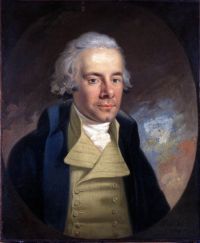
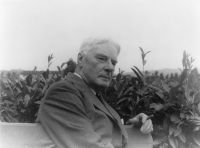
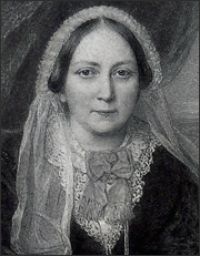
William Wilberforce

Definition and stakes

1911 Encyclopædia Britannica, Volume 28… (1911)

“ WILBERFORCE, WILLIAM (1759-1833) , English philanthropist whose name is chiefly associated with the abolition of the slave trade, was descended from a Yorkshire family which possessed the manor of Wilberfoss in the East Riding from the time of Henry II. till the middle of the 18th century. He was the only son of Robert Wilberforce, member of a commercial house at Hull, by his wife Elizabeth, daughter of Thomas Bird of Barton, Oxon, and was born at Hull on the 24th of August 1759. ”
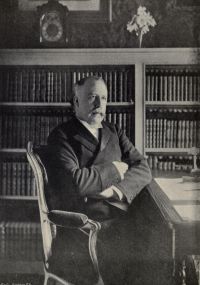
Source: Wikisource

William Hazlitt,  The Collected Works of William Hazlitt…

“ Wilberforce’s humanity will go all lengths that it can with safety and discretion: but it is not to be supposed that it should lose him his seat for Yorkshire, the smile of Majesty, or the countenance of the loyal and pious. He is anxious to do all the good he can without hurting himself or his fair fame. His conscience and his character compound matters very amicably. He rather patronises honesty than is a martyr to it. ”
Source: Gutenberg

Great Men and Famous Women. Vol…

“ William Wilberforce, whose name a heartfelt, enlightened, and unwearied philanthropy, directing talents of the highest order, has enrolled among those of the most illustrious benefactors of mankind, was born August 24, 1759, in Hull, England, where his ancestors had been long and successfully engaged in trade. By his father's death he was left an orphan at an early age. He received the chief part of his education at the grammar school of Pockington, in Yorkshire, and at St. John's College, Cambridge, of which he became a fellow-commoner about 1776 or 1777. ”
Source: Gutenberg

Get perspective with Kwize: daily news enlightened by great literature