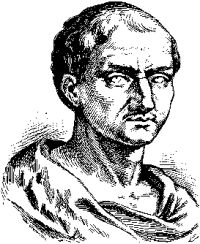
Eloquence, the art of persuasive and graceful expression, has long been a cornerstone of rhetoric, combining fluency, elegance, and emotional impact. From ancient Greek orators like Cicero, who excelled in articulate argumentation, to Renaissance humanists such as Petrarch, who stressed moral clarity in speech, the theme reveals a timeless interaction between language and purpose.
Modern figures like Churchill and Martin Luther King Jr. utilized eloquence to inspire action, while philosophers like David Hume recognized its ability to influence emotions more than logic. As Emerson observed, true eloquence lies in making truth accessible, connecting intellect and feeling—a duality that defines its lasting significance.