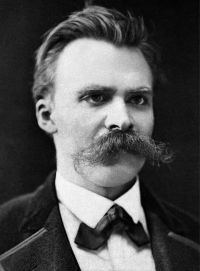
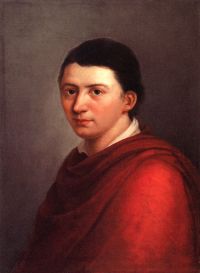
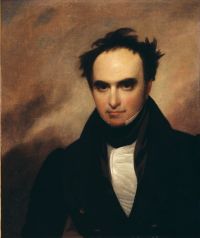
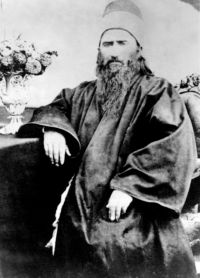
Knowledge, defined as the mental possession of information or skills contributing to understanding, has long been a cornerstone of philosophical and scientific inquiry. From Zhuangzi’s assertion that the highest wisdom acknowledges its limits, to Brigham Young’s emphasis on practical, experience-based learning, authors have explored its nature, value, and acquisition. Charlotte M.
Mason viewed knowledge as a unified, sacred whole encompassing all aspects of existence, while Nietzsche questioned the very essence of what humans seek through "understanding." These varied perspectives, spanning epistemology, education, and spirituality, reveal knowledge as both a philosophical puzzle and a practical tool, shaping human comprehension across disciplines and cultures.