“ Nay, all in their holy presence fade into utter nothingness, and are a thing forgotten. Human tongue can never befittingly sing their praise, and human speech can never unfold their mystery. These Tabernacles of holiness, these primal Mirrors which reflect the light of unfading glory, are but expressions of Him Who is the Invisible of the Invisibles. By the revelation of these gems of divine virtue all the names and attributes of God, such as knowledge and power, sovereignty and dominion, mercy and wisdom, glory, bounty and grace, are made manifest. ”
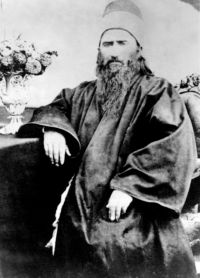
Bahá'u'lláh
Summary
"The Kitáb-i-Íqán," authored by Bahá'u'lláh, is a foundational text of the Bahá'í Faith, written in the 19th century during his exile in the Ottoman Empire. It explores themes of divine revelation, the sovereignty of God, and the spiritual mysteries of existence, emphasizing the transformative power of divine guidance.
Through poetic and metaphorical language, the work underscores the importance of seeking truth, the unity of religious teachings, and the role of prophets like Muḥammad and the Qá'im as channels of divine attributes. Its central message revolves around the necessity of spiritual understanding to transcend worldly limitations and embrace the "dawning light of divine wisdom."
Quotes from The Kitáb-i-Íqán (Bahá'u'lláh)
“ Thus it is that through the rise of these Luminaries of God the world is made new, the waters of everlasting life stream forth, the billows of loving-kindness surge, the clouds of grace are gathered, and the breeze of bounty bloweth upon all created things. It is the warmth that these Luminaries of God generate, and the undying fires they kindle, which cause the light of the love of God to burn fiercely in the heart of humanity. It is through the abundant grace of these Symbols of Detachment that the Spirit of life everlasting is breathed into the bodies of the dead. ”
“ And now, O seeker, it behooveth us firmly to cling unto the Urvatu’l-Vuthqá, that perchance we may leave behind the darksome night of error, and embrace the dawning light of divine guidance. Shall we not flee from the face of denial, and seek the sheltering shadow of certitude? Shall we not free ourselves from the horror of satanic gloom, and hasten towards the rising light of the heavenly Beauty? In such wise, we bestow upon you the fruit of the Tree of divine knowledge, that ye may gladly and joyously abide in the Ridván of divine wisdom. ”
