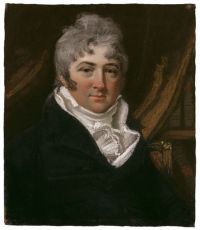
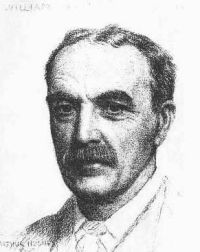
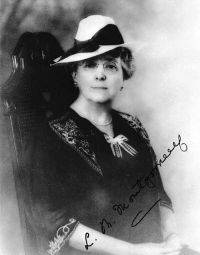
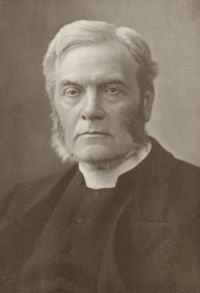
Abel, a biblical figure celebrated for his virtue and sacrificial act, has long represented innocence and divine grace. Authors such as Harriet Annie Wilkins and John Bunyan have reinterpreted him as a rebellious or sorrowful character, while Oliver Wendell Holmes depicts him as a nature-inspired servant.
Edward Eli Seelye highlights Abel’s blood as an ethical appeal, and Ellen Anderson Gholson Glasgow contrasts his simple authenticity with societal affectation. These diverse portrayals emphasize Abel’s lasting significance as a framework for examining goodness, selflessness, and human vulnerability across literary traditions.