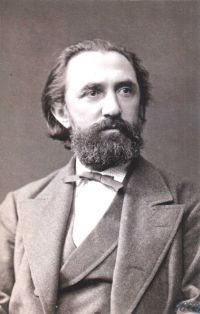
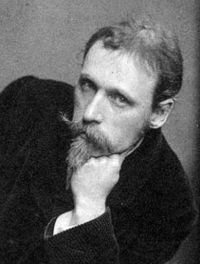
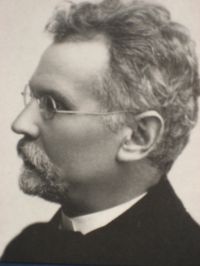
Invention, as an activity, refers to the process of generating or uncovering novel techniques, items, or concepts through creativity. Writers have long examined its nature, portraying it as both a divine inspiration and a structured endeavor. Frank W. Blackmar highlighted its significance in propelling technological development, while Franz Reuleaux focused on its origins in perceptual understanding and meticulous improvement.
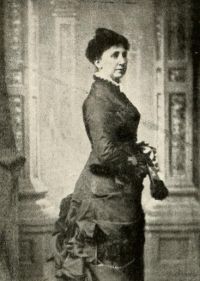
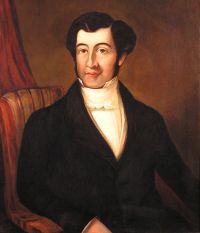
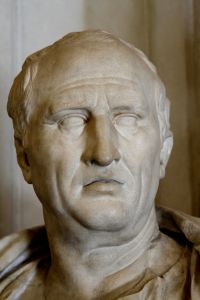
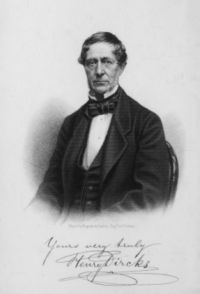
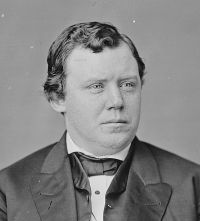
William Henry Doolittle compared it to a force that clarifies human needs, and Mary Clemmer broadened its application beyond mechanics to encompass daily innovation. Homer associated invention with genius, and William James regarded it as a fundamental element of human advancement alongside imitation. These viewpoints together illustrate invention as a dynamic interaction of need, imagination, and continuous enhancement, influencing the course of civilization.
 Frank W. Blackmar,
History of Human Society