Discovery refers to the act of identifying something new or previously unknown, encompassing observations, insights, and breakthroughs across various fields. In science, it requires thorough verification, such as the five-sigma statistical standard in particle physics, while in education, it involves careful observation to support learning.
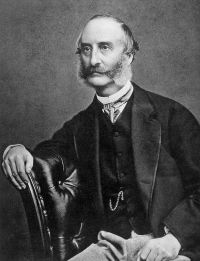
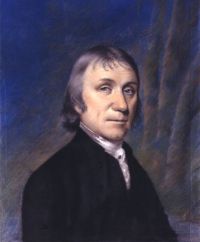
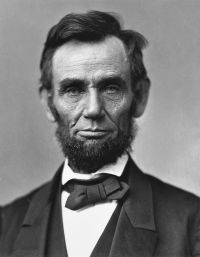
Authors like Edmund Alexander Parkes highlight its lasting importance, likening it to astronomical revelations, while John Brown views discovery as a link between intellectual exploration and ethical purpose. Hugh Miller connects scientific discovery with interpreting natural history, stressing clarity over conjecture. These viewpoints together illustrate discovery as a dynamic process that combines curiosity, methodology, and the persistent quest for understanding.