Morality, derived from the Latin moralitas, refers to the classification of actions as right or wrong, virtuous or vicious, providing a foundation for ethical evaluation. Originating in philosophy, religion, and culture, it includes normative frameworks such as Kantian duty or utilitarianism, while descriptive ethics analyzes societal standards.
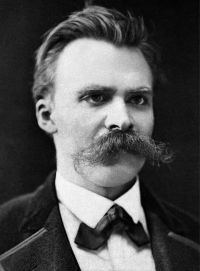
Thinkers like Nietzsche explored morality’s historical development, Lewis highlighted virtues as essential moral guides, and Bradley connected ethics to practical human issues. The findings indicate that morality is both shaped by culture and subject to universal debate, illustrating the conflict between relativism and overarching principles across different traditions and time periods.
 Johann Gottlieb Fichte,
Characteristics of the Present Age
(1806)
Johann Gottlieb Fichte,
Characteristics of the Present Age
(1806)