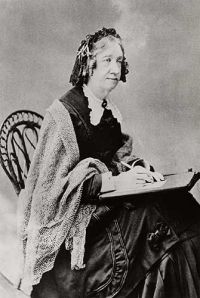
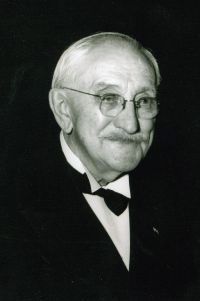
Usefulness denotes the practical value or benefit something provides to individuals or society. Authors have long examined its dimensions: James Freeman Clarke contrasts duty-driven efforts with those motivated by love, while Bolesław Prus portrays it as a universal law essential for existence.
Matthew Henry connects diligence to greater opportunities for good, and Theodore Wehle underscores overlooked contributions to society. John Wesley associates usefulness with moral obligation and ability, highlighting its role in fulfilling divine command. These viewpoints reveal usefulness as both an ethical necessity and a driver of advancement, intertwined with themes of responsibility, worth, and communal improvement.
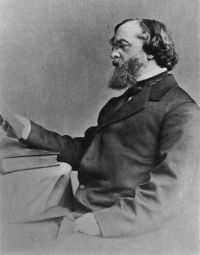 James Freeman Clarke,
Orthodoxy: Its Truths And Errors
James Freeman Clarke,
Orthodoxy: Its Truths And Errors