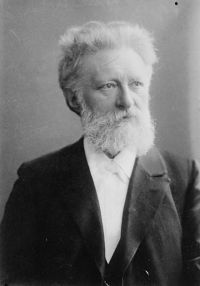
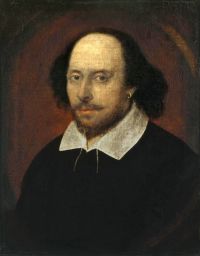
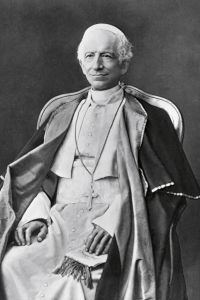
Error, defined as a mistaken belief or judgment, has long been a subject of philosophical and intellectual exploration, reflecting humanity's struggle to distinguish falsehood from truth. From John Stuart Mill’s observation that misconceptions reemerge in new forms to Josiah Royce’s challenge to common sense’s understanding of mistake, thinkers have examined its endurance and effects.
John Tyndall connected misconceptions to humanity’s shifting perception of reality, while Friedrich von Schlegel pinpointed abstract reasoning and personal bias as sources of fallacy. These viewpoints highlight error’s role as both a result of limited knowledge and a driver of deeper investigation, revealing its complex relationship with truth, conviction, and the development of human understanding.
 John Stuart Mill,
A System of Logic, Ratiocinative and Inductive
(1843)