A phrase, defined as a sequence of at least two words functioning as a grammatical unit, plays both structural and expressive roles in language. While technical linguistics examines phrases as syntactic components, everyday usage often emphasizes their idiomatic or evocative strength.
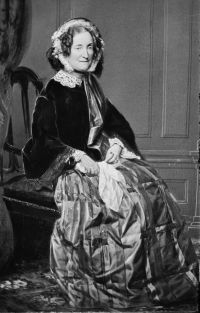
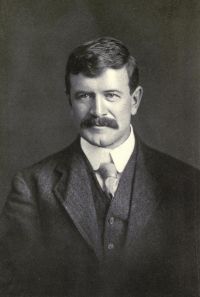
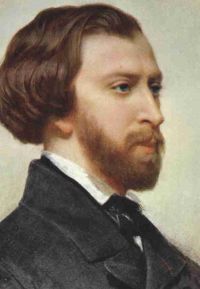
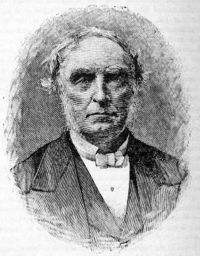
Authors like Clara Erskine Clement Waters expressed concern over language's inability to convey subtlety, while Ernest Hemingway highlighted phrases' ability to encapsulate intricate ideas. Auguste Forel underscored phrases' function in communicating human values beyond simple recall. These viewpoints illustrate the dual nature of phrases: as linguistic elements and as carriers of rich, layered meaning.