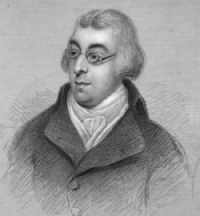
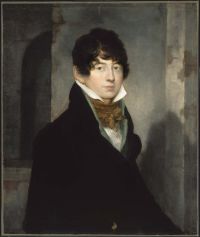
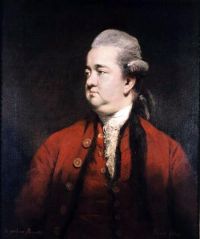
Composition, the art of arranging elements to create coherence and meaning, has been a central theme in literature and aesthetics. From John Wilson’s reflection on the silent, transformative work of the mind to Arthur W. Dow’s focus on balance and spacing as essential to artistic creation, writers have examined its diverse roles.
Whether through Henry Felton’s advocacy for logical symmetry or Georg Wilhelm Friedrich Hegel’s integration of objective form and personal experience, composition appears both as a practical skill and a philosophical pursuit. Edgar Allan Poe highlights its dependence on intuitive mood, while Henry David Thoreau describes it as a self-renewing process of reflection. These differing viewpoints together demonstrate composition as a universal yet intricate framework, connecting creativity with structure across various fields.