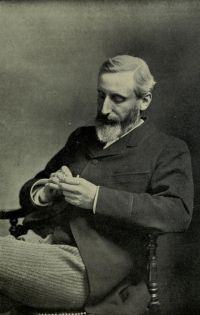
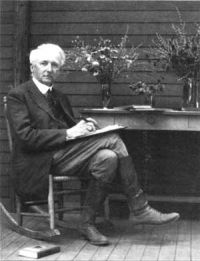
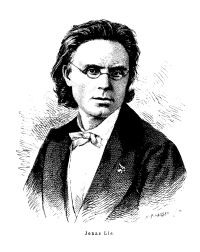
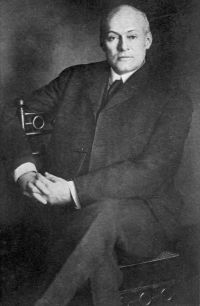
The term "reader" derives from the Latin lector, meaning one who reads, and includes both a literal and metaphorical role in literature. From academic lecturers to ecclesiastical scribes, the concept applies to a wide range of contexts. In literature, authors such as William Wordsworth directly address the reader as a silent collaborator in creating meaning, while Jonathan Swift compared the reader’s imagination to a lens that focuses scattered ideas.
Clayton Meeker Hamilton highlighted the reader’s active role in interpreting stories, shaping them through personal viewpoints. These differing perspectives emphasize the reader’s dual role as both a receiver and a co-creator of meaning within a text.
 William Wordsworth,
Poems
(1815)
William Wordsworth,
Poems
(1815)