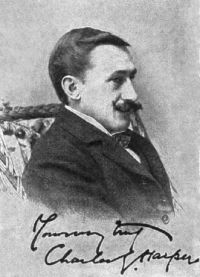
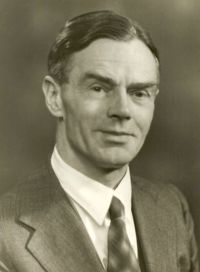
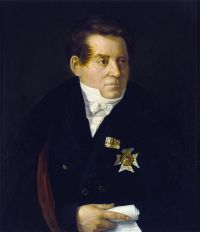
A tale, as a literary form, includes both spoken stories and written narratives, merging creativity with cultural heritage. From Waldo David Frank’s claim that every story should be a mystery to Laura Fry Kready’s focus on its function as a reflection of human reality, writers have examined its ability to stir emotion and reveal truth.
Wordsworth found stories in daily life, while Sherwood Anderson viewed storytelling as an act of liberation, freeing narratives from their origins. Samuel Johnson connected tales to moral intent, emphasizing their dual role as amusement and teaching. These differing viewpoints highlight the story’s lasting adaptability, linking the spoken and the written, the imaginative and the real, as a medium for shared human experiences.
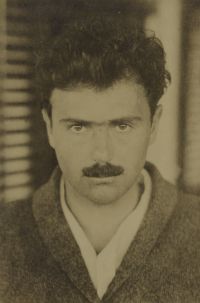 Waldo David Frank,
Chalk face
(1924)
Waldo David Frank,
Chalk face
(1924)