Humour

Definition and stakes

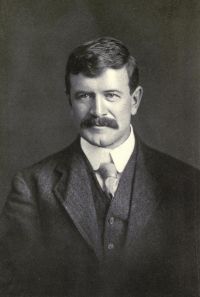
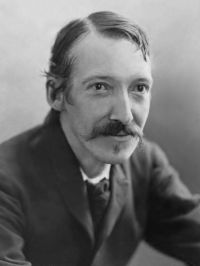
Portrait of George Meredith George Meredith,  An Essay on Comedy and the Uses of the Comic Spirit

“ The laughter of satire is a blow in the back or the face. The laughter of Comedy is impersonal and of unrivalled politeness, nearer a smile; often no more than a smile. It laughs through the mind, for the mind directs it; and it might be called the humour of the mind.
One excellent test of the civilization of a country, as I have said, I take to be the flourishing of the Comic idea and Comedy; and the test of true Comedy is that it shall awaken thoughtful laughter.
”
Source: Gutenberg

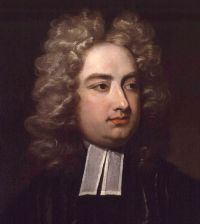
Portrait of Jonathan Swift Jonathan Swift,  The Poems of Jonathan Swift, D.D.…

“ That gives surprise, and this delight, Humour is odd, grotesque, and wild, Only by affectation spoil'd; 'Tis never by invention got, Men have it when they know it not. Our conversation to refine, True humour must with wit combine: From both we learn to rally well, Wherein French writers most excel; [2] Voiture, in various lights, displays That irony which turns to praise: His genius first found out the rule For an obliging ridicule: He flatters with peculiar air The brave, the witty, and the fair: And fools would fancy he intends A satire where he most commends. ”
Source: Gutenberg

A. G. K. L'Estrange,  History of English Humour, Vol…

“ When the cause of our laughter—be it mind, matter, or imaginary circumstance—is merely regarded as something incongruous and amusing, we name it the ludicrous, and a man is called ludicrous as faulty or contemptible. But when the cause of it is viewed as something more than this, as coming from some conscious power or tendency within us—a valuable gift and an element in our mental constitution—we call it humour, a term applied only to human beings and their productions; and a man is called humorous as worthy of commendation. ”
Source: Gutenberg

Get perspective with Kwize: daily news enlightened by great literature