Humor

Definition and stakes

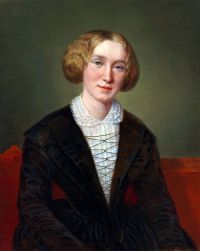
Portrait of George Eliot George Eliot,  Essays of George Eliot (1883)

“ Strange as the genealogy may seem, the original parentage of that wonderful and delicious mixture of fun, fancy, philosophy, and feeling, which constitutes modern humor, was probably the cruel mockery of a savage at the writhings of a suffering enemy—such is the tendency of things toward the good and beautiful on this earth! Probably the reason why high culture demands more complete harmony with its moral sympathies in humor than in wit, is that humor is in its nature more prolix—that it has not the direct and irresistible force of wit. ”
Source: Wikisource

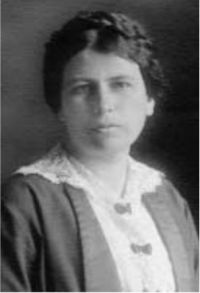
Portrait of Agnes Repplier Agnes Repplier,  Essays in idleness (1897)

“ Humor is the growth of nature and accident; wit is the product of art and fancy. Humor, as it is shown in books, is an imitation of the natural or acquired absurdities of mankind, or of the ludicrous in accident, situation, and character; wit is the illustrating and heightening the sense of that absurdity by some sudden and unexpected likeness or opposition of one thing to another, which sets off the quality we laugh at or despise in a still more contemptible or striking point of view. ”
Source: Wikisource

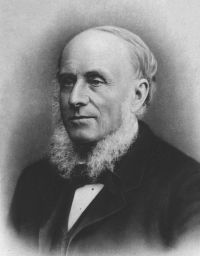
John Brown,  Spare Hours

“ She laughed with her whole body and soul, and burst the abscess, and was well.
Humor, if genuine (and if not, it is not humor) , is the very flavor of the spirit, its rich and fragrant ozmazome—having in its aroma something of everything in the man, his expressed juice; wit is but the laughing flower of the intellect or the turn of speech, and is often what we call a “gum-flower,” and looks well when dry.
”
Source: Gutenberg

Get perspective with Kwize: daily news enlightened by great literature