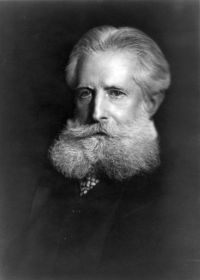
Edmund Clarence Stedman

Biographical details

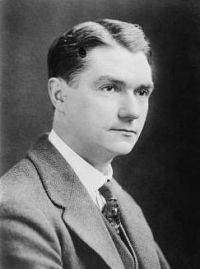
Portrait of Edmund Clarence Stedman Edmund Clarence Stedman The Nature and Elements of Poetry (1892)

Now comes poetry,—rhythmical, creative language, compact of beauty, imagination, passion, truth,—in no wise related, like the plastic arts, to material substance; less able than its associate, music, to move the soul with those dying falls of sound that increase and lessen thought and the power to harbor it; almost a voiceless spirit of invention, working without hands, yet the more subtile, potent, inclusive, for this evasive ideality, and for creations that are impalpable except through the arbitrary and non-essential symbols by which it now addresses itself to the educated eye.
Source: Wikisource

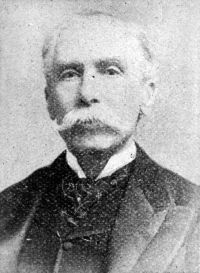
Portrait of Edmund Clarence Stedman Edmund Clarence Stedman Poems, now first collected (1897)

That your footfall's trust it might almost woo,
Were it smooth and low for one to tread?
So clear and warm, so bright, so dark,
That he who looks on it can but mark
'Tis a different tide from the far-away
Perpetual waters, old and gray,
And can but wonder if Mother Earth
Has given a younger ocean birth.
Do you know how surely the trade-wind blows
To west-sou'west, through the whole round year?
How, after the hurricane comes and goes,
For nine fair moons there is naught to fear?
How the brave wind carries the tide before
Its breath, and on to the southwest shore?
Source: Wikisource

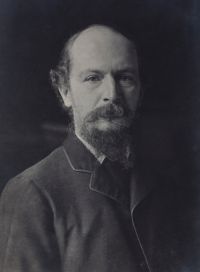
Portrait of Edmund Clarence Stedman Edmund Clarence Stedman The poetical works of Edmund Clarence Stedman (1873)

Gentle in speech and thought,—while thus he shone,
A rising star, though chosen of a queen,
Why seek the skies less tranquil than his own?
Why should he climb beside her perilous height,
And in that noonday blaze eclipse his light? [193]
Ah, why?—one’s own life may be bravely led,
But not another’s. Yet, as to and fro
The buzzing private embassies were sped,
And when the Queen’s own pages, bowing low,
Told in his ear a sweet and secret story,
The Prince, long trained to seek his house’s glory,
Let every gracious sentence seem a plume
Of love and beckoning beauty for his helm.
Source: Gutenberg

Get perspective with Kwize: daily news enlightened by great literature