Shakespeare

Definition and stakes

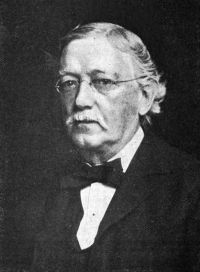
Portrait of Victor Hugo Victor Hugo,  William Shakespeare

“ The English tongue, a language little formed, now assists, now harms him, but everywhere the deep mind gushes forth translucent Shakespeare's drama proceeds with a kind of distracted rhythm. It is so vast that it staggers; it has and gives the vertigo; but nothing is so solid as this excited grandeur. Shakespeare, shuddering, has in himself the winds, the spirits, the philters, the vibrations, the fluctuations of transient breezes, the obscure penetration of effluvia, the great unknown sap. ”
Source: Gutenberg

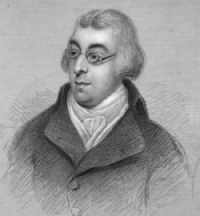
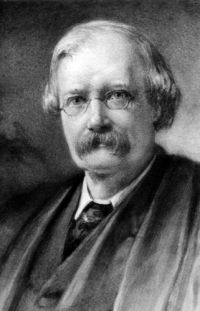
Portrait of Samuel Johnson Samuel Johnson,  Preface to Shakespeare

“ Through all these denominations of the drama, Shakespeare's mode of composition is the same; an interchange of seriousness and merriment, by which the mind is softened at one time, and exhilarated at another. But whatever be his purpose, whether to gladden or depress, or to conduct the story, without vehemence or emotion, through tracts of easy and familiar dialogue, he never fails to attain his purpose; as he commands us, we laugh or mourn, or sit silent with quiet expectation, in tranquillity without indifference. ”
Source: Gutenberg

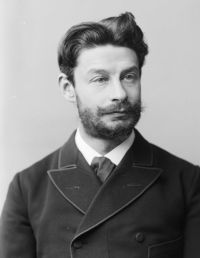
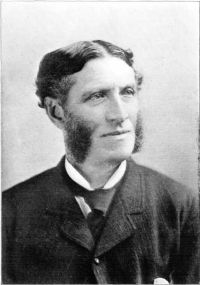
Portrait of Hippolyte Taine Hippolyte Taine,  History of English Literature Volume 1…

“ Shakespeare glides over things on as swift a wing, by leaps as sudden, with a touch as delicate.
What a soul! what extent of action, and what sovereignty of an unique faculty! what diverse creations, and what persistence of the same impress! There they all are united, and all marked by the same sign, void of will and reason, governed by mood, imagination, or pure passion, destitute of the faculties contrary to those of the poet, dominated by the corporeal type which his painter's eyes have conceived, endowed by the habits of mind and by the vehement sensibility which he finds in himself.
”
Source: Gutenberg

Get perspective with Kwize: daily news enlightened by great literature