Artifice, in the context of equestrian sports, refers to specialized equipment used to manage and guide the behavior of racehorses, particularly in trotting races. These devices, such as tongue ties, martingales, and ear plugs, are designed to enforce particular gaits or postures, often raising ethical concerns regarding animal welfare.
While the term is mainly linked to horsemanship, its wider literary meanings—of artificiality, strategic influence, and crafted expression—appear in the works of authors like John Ruskin and Georg Brandes, who examined art’s role in shaping human experience through intentional design and emotional impact. From the physical restraints on horses to the metaphorical "artifices" of artistic creation, the theme connects concrete control mechanisms with the abstract relationship between nature and human innovation.
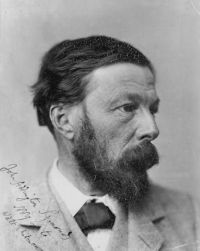 John Addington Symonds,
Studies of the Greek Poets (Vol 1 of 2…
John Addington Symonds,
Studies of the Greek Poets (Vol 1 of 2…