Summary

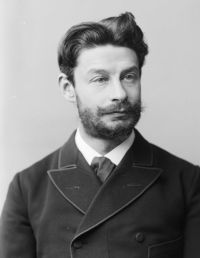
Portrait of Georg Brandes Georg Brandes Main Currents in Nineteenth Century Literature - 6…

When, from the all-embracing thought of Hegel, the noble art of Platen, the polished wit of Börne, the lyric and satiric genius of Heine, the classic fulness of Immermann's Oberhof, we pass on to the men to whom the name Young Germany was more particularly applied, we feel the change to be in the artistic sense a fall—a fall from the confidence and perfect skill of masters to the immaturity and makeshifts of beginners.
Source: Gutenberg

Portrait of Georg Brandes Georg Brandes Main Currents in Nineteenth Century Literature - 6…

Liberty, Parliament, national unity, liberty of the press, republic, were to them magic words, at the very sound of which their hearts leaped like the heart of a youth who suddenly sees his beloved.
The aspiring spirits of the generation of to-day do not feel thus. They know that stupidity is a ferocious animal, and the hardest of all to kill—that cowardice, the agile slave that stands at the beck of power, is as strong as courage itself when there is any question of defending ancient privilege—that what is known by the name of progress is a feeble snail.
Source: Gutenberg

Portrait of Georg Brandes Georg Brandes Main Currents in Nineteenth Century Literature - 6…

A style is the expression of a personality and a weapon in the warfare of literature. Goethe's style, with all its greatness, is not sufficiently complex to grapple with modern ideas. But Heine's, that weapon which in its best days was as finely tempered as those old Spanish blades which could be bent like osiers, but which no armour could snap, was better suited than any other to cope with modern life in its hardness and ugliness, its charm, its restlessness, and its wealth of glaring contrasts.
Source: Gutenberg

Get perspective with Kwize: daily news enlightened by great literature