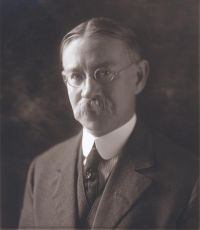
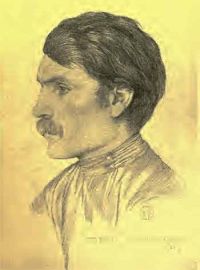
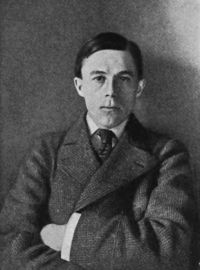
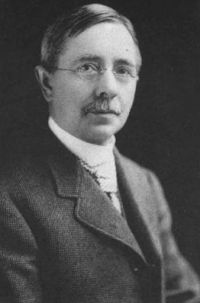
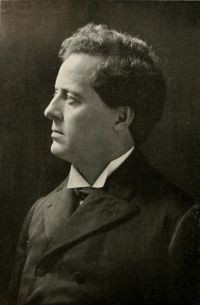
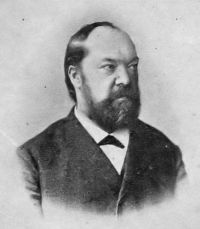
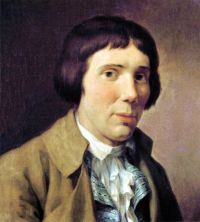
Berlin, the capital and largest city of Germany, is a multifaceted metropolis shaped by its history, culture, and geopolitical importance. From its role as a Prussian capital to its division by the Berlin Wall, the city has inspired a wide range of literary perspectives. William Dean Howells critiques its aesthetic ambitions, while Henry Louis Mencken evokes its lively, down-to-earth character.
L. Mühlbach, in contrast, portrays its magnificence through vivid depictions of royal celebrations. These differing portrayals reflect Berlin’s complex identity, shifting between aspiration and reflection, a theme mirrored in its evolving political and social environments.