The concept of "German" encompasses a rich tapestry of cultural, linguistic, and literary identity, often marked by introspection, philosophical depth, and a distinctive aesthetic sensibility. From Johann Gottlieb Fichte’s calls for national unity to Helen Keller’s reflections on German literature’s focus on strength and truth, the theme reveals a duality: a language both admired for its precision and critiqued for its intricacy.
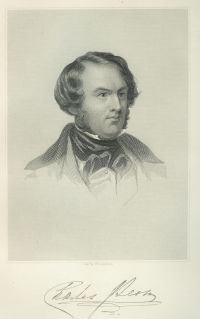
Authors like Maurice Baring noted its restraint in contrast to English Romanticism, while Charles James Lever humorously underscored its difficulties in conversation. These diverse viewpoints converge into a synthesis: the German spirit, as reflected in its literary tradition and national self-image, balances rigorous intellectualism with a deep pursuit of authenticity, shaping both its self-understanding and its global impact.