Philology

Definition and stakes

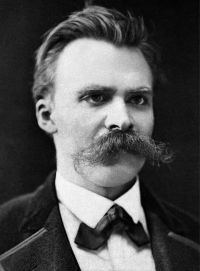
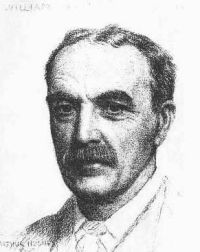
Portrait of Friedrich Nietzsche Friedrich Nietzsche,  Homer and Classical Philology (1869)

“ We demand thanks—not in our own name, for we are but atoms—but in the name of philology itself, which is indeed neither a Muse nor a Grace, but a messenger of the gods: and just as the Muses descended upon the dull and tormented Boeotian peasants, so Philology comes into a world full of gloomy colours and pictures, full of the deepest, most incurable woes; and speaks to men comfortingly of the beautiful and godlike figure of a distant, rosy, and happy fairyland. ”
Source: Wikisource

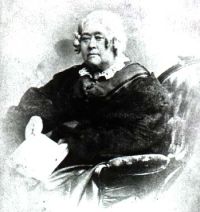
Portrait of Elizabeth P. Peabody Elizabeth P. Peabody,  Aesthetic Papers (1849)

“ Philology should be studied as the most important of sciences, not only for the sake of knowing the works of art and science that the various languages contain, but because words themselves are growths of nature and works of art, capable of giving the highest delight as such; and because their analysis and history reveal the universe in its symbolic character. Moreover, no language, learned in the light of philology, could be forgotten. ”
Source: Wikisource

Get perspective with Kwize: daily news enlightened by great literature