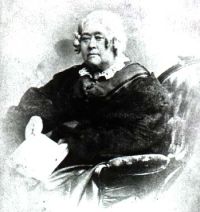
Elizabeth P. Peabody

Elizabeth P. Peabody

Summary

Portrait of Elizabeth P. Peabody Elizabeth P. Peabody Aesthetic Papers (1849)

The true Dorian music was that which entirely expressed the idea of the Dorian character. It was the sound of Apollo in the soul. The movement was just that which waked up the intellect to the perception of all law, and checked the passions from falling into deliquescence; making the whole human being a calm, clear-sighted, creative power. That they believed this music was in the universe, objective to the soul, is expressed by the Pythagorean symbol of the music of the spheres, apprehensible through the silence which was but another name for the perfect act of intellection.
Source: Wikisource

Portrait of Elizabeth P. Peabody Elizabeth P. Peabody Aesthetic Papers (1849)

In short, a true spirit of culture must do for the national heart what the ever-incoming grace of God does for the individual soul. The chief danger to a nation and to a man is from within, that the passion and the will may be too strong for the uncultured intelligence. And the danger in our nation is in proportion to the breadth of the national life. All humanity is in it.
Source: Wikisource

Portrait of Elizabeth P. Peabody Elizabeth P. Peabody Aesthetic Papers (1849)

They see God in the sunshine and the flowers, rather than in the storm and wilderness. It is utterly impossible for any persons to understand Greece, who persist in believing that Greek festivals and processions were mere amusements, and had not the higher aim and effect of awakening all human energies, by the expression of serious ideas. Every thing in Greece became artistic, and overflowed with beauty, precisely because the people were so intellectual, they caught, and were continually expressing symbolically, the grand ideas of order and harmony which pervade the universe.
Source: Wikisource

Get perspective with Kwize: daily news enlightened by great literature