A nation is a socially constructed community bound by shared cultural, historical, or political identity, often linked to statehood. Scholars like Benedict Anderson describe it as an "imagined political community," while Anthony D. Smith focuses on its cultural-political awareness. Authors such as Lajos Kossuth emphasize the nation’s sacred rights, Otto Heller connects governance to collective ethics, and Émile Zola envisions a free, self-regulating nation.
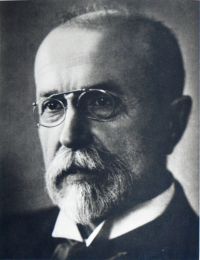
Disraeli underscores the diverse influences that shape national character, while Tomáš Masaryk differentiates the nation’s democratic nature from the state’s hierarchical framework. These viewpoints highlight the nation as both a unifying vision and a contested reality, molded by history, ideology, and power.
 Lajos Kossuth,
Select Speeches of Kossuth
Lajos Kossuth,
Select Speeches of Kossuth