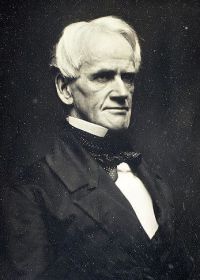
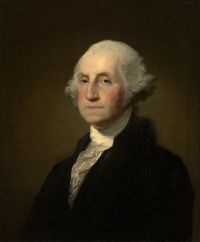
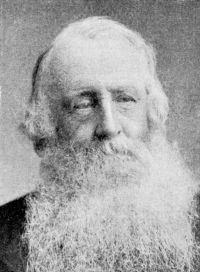
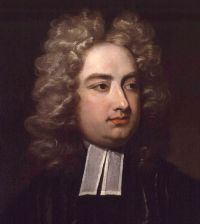
The concept of "freeman" denotes a historical role, often referring to an individual released from apprenticeship within a guild or livery company. Authors have examined this theme from various angles: William Jennings Bryan associated it with imperial liberty, while Horace Mann highlighted the moral implications of enslaving a freeman.
Thomas Hobbes described it as freedom from external constraints, and the Magna Carta focused on legal safeguards for freemen. These viewpoints illustrate the term’s transformation from a socio-economic standing to a philosophical vision of self-determination, reflecting wider conflicts over freedom and rights throughout history.
 William Jennings Bryan,
The World's Famous Orations
(1906)
William Jennings Bryan,
The World's Famous Orations
(1906)