Slavery, a system in which individuals are regarded as property and compelled into labor, has shaped human history through economic, social, and ethical dimensions. Authors such as Frederick Douglass, Harriet Beecher Stowe, and Carl Schurz examined its cruelty, moral dilemmas, and effects on society, emphasizing its role in sustaining inequality.
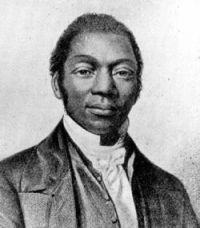
While some viewed it as essential for economic growth, others, like James W. C. Pennington, condemned its dehumanizing essence. Literary works and historical records illustrate slavery’s multifaceted legacy, ranging from its entrenched violence to its eventual end, highlighting its lasting impact on global movements for justice.
 Charles Sumner,
FREEDOM NATIONAL; SLAVERY SECTIONAL: Mr…
(1852)
Charles Sumner,
FREEDOM NATIONAL; SLAVERY SECTIONAL: Mr…
(1852)