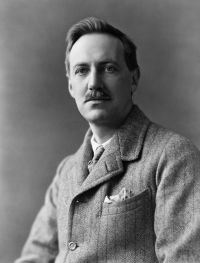
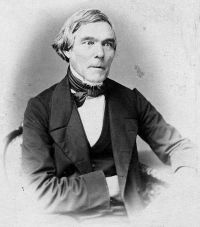
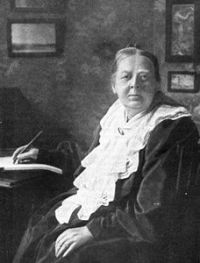
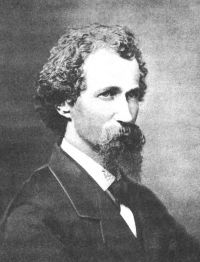
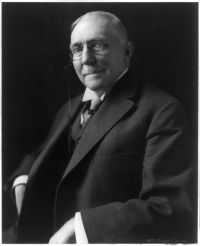
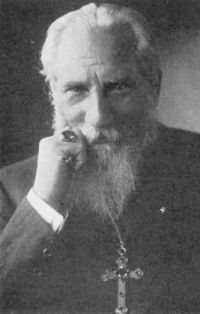
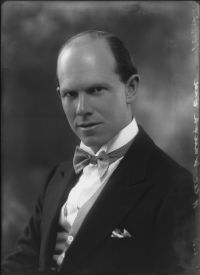
The term "master" historically referred to a naval warrant officer tasked with navigation and ship handling, a role that evolved across maritime traditions from the Royal Navy to the Russian and Spanish fleets. Writers have long grappled with the concept, using it to denote guidance, authority, or spiritual mentorship. Will Levington Comfort portrays the Master as a symbolic guide toward self-realization, while Shakespeare employs the term humorously in The Two Gentlemen of Verona to underscore social dynamics.
George Allan England elevates the Master to a moral and spiritual leader, offering a contrast to Cornelius Tacitus’s critique of pedagogical arrogance. These diverse portrayals illustrate the term’s shift from a technical naval position to a metaphor for influence and mentorship, highlighting its lasting significance in both concrete and abstract contexts.
 Will Levington Comfort,
The Hive
Will Levington Comfort,
The Hive