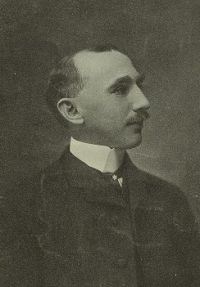
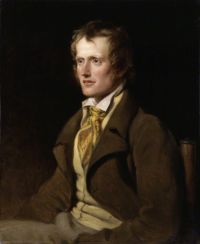
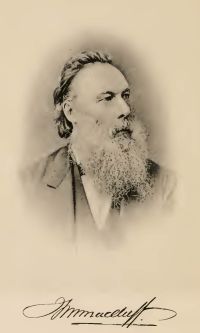
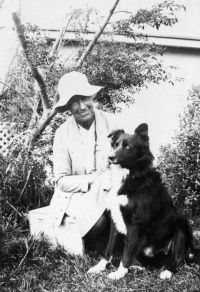
Oblivion, the state of being forgotten or erased from consciousness, has long fascinated literary minds as a counterpoint to memory, time, and human effort. From Archibald MacLeish’s meditative acceptance of cyclical erasure to John Galsworthy’s portrayal of oblivion as a "restful" release, writers have wrestled with its quiet victory over human accomplishments.
Madison Julius Cawein conveys its visceral fear through tearful imagery, while Ludwig Tieck contrasts human fragility with its universal reach. Even anonymous medieval works depict oblivion as an inescapable destiny for all actions. Across ages and styles, this theme highlights humanity’s tenuous hold on permanence, presenting forgetfulness as both a comfort and a silent wiping away of existence.
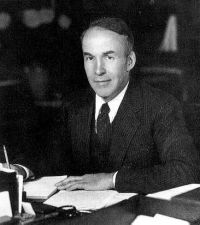 Archibald MacLeish,
Tower of Ivory
(1917)
Archibald MacLeish,
Tower of Ivory
(1917)