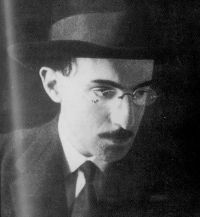
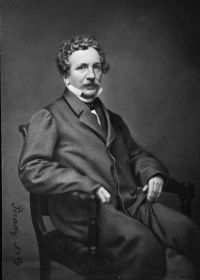
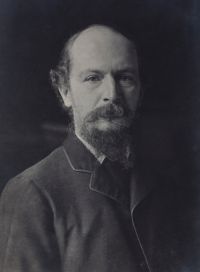
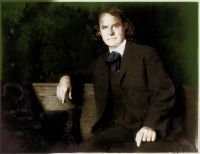
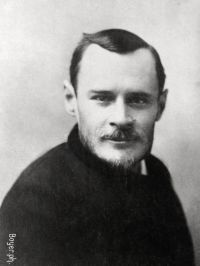
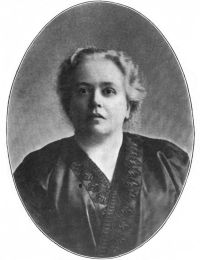
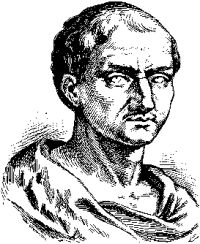
Fate, a philosophical concept involving the idea of events predetermined and beyond individual control, has long fascinated thinkers and writers. From Ralph Waldo Emerson’s reflection on fate as an indifferent force that "hurts and crushes" humanity, to Fernando Pessoa’s existential questioning of whether failure is merely "the general fate," authors have wrestled with its implications.
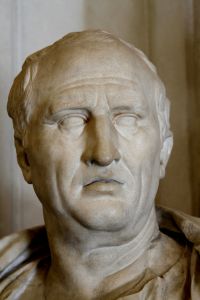
Toru Dutt lamented humanity’s struggle against fate’s "doom," while Saint Augustine framed it as a construct secondary to human will. These varied perspectives, spanning poetry, theology, and philosophy, reveal fate as a lens through which human agency, divine order, and life’s uncertainties are explored, ultimately positioning it as a bridge between predestination and personal choice.
 Ralph Waldo Emerson,
Representative Men: Seven Lectures
Ralph Waldo Emerson,
Representative Men: Seven Lectures