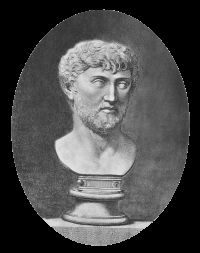
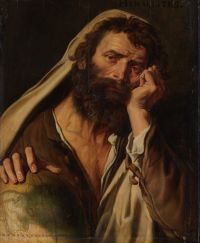
The concept of "mortal" signifies the finite, perishable nature of human life, frequently contrasted with the eternal or divine. Writers have long wrestled with its significance: Heraclitus and Lucretius examined it through materialist or philosophical viewpoints, while Milton’s Paradise Lost portrays Death as a temporary force to be conquered.
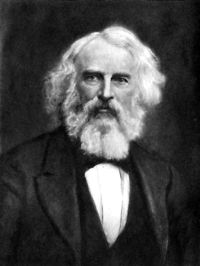
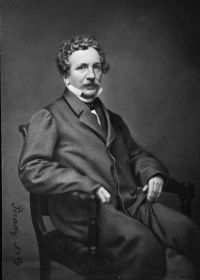
Longfellow and Kingsley saw mortality as a path to transcendence, highlighting the soul’s enduring nature. At the same time, Adams’ reflections emphasize the tangible reality of human constraints. These differing outlooks illustrate mortality as a universal theme, connecting the earthly and the sublime, the physical and the spiritual.