“ What wouldst thou beg, Laertes, That shall not be my offer, not thy asking? The head is not more native to the heart, The hand more instrumental to the mouth, Than is the throne of Denmark to thy father. What wouldst thou have, Laertes? Laer. My dread lord, Your leave and favour to return to France; From whence though willingly I came to Denmark To show my duty in your coronation, Yet now I must confess, that duty done, My thoughts and wishes bend again toward France And bow them to your gracious leave and pardon. King. Have you your father's leave? What says Polonius? ”
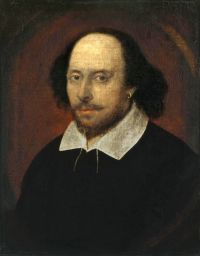
William Shakespeare
Summary
Hamlet, William Shakespeare’s tragic drama set in Denmark, explores themes of madness, vengeance, and existential uncertainty through its titular prince’s struggle with moral decay and familial obligation. Centered on Hamlet’s encounter with his father’s ghost and his complex relationships with Ophelia, Laertes, and his mother, the play delves into the conflict between action and hesitation, truth and deceit.
Shakespeare’s nuanced dialogue and psychological insight, as seen in scenes like Hamlet’s soliloquies and the duel with Laertes, highlight the work’s enduring exploration of human vulnerability and the repercussions of unaddressed sorrow. Its structure, intertwining political machinations with personal tragedy, solidifies its place as a foundational text in Western literature.
Quotes from Hamlet (William Shakespeare)
“ Queen. The instances that second marriage move Are base respects of thrift, but none of love. A second time I kill my husband dead When second husband kisses me in bed. King. I do believe you think what now you speak; But what we do determine oft we break. Purpose is but the slave to memory, Of violent birth, but poor validity; Which now, like fruit unripe, sticks on the tree, But fall unshaken when they mellow be. Most necessary 'tis that we forget To pay ourselves what to ourselves is debt. What to ourselves in passion we propose, The passion ending, doth the purpose lose. ”
William Shakespeare,
Hamlet
(1623)
“ Then weigh what loss your honour may sustain If with too credent ear you list his songs, Or lose your heart, or your chaste treasure open To his unmaster’d importunity. Fear it, Ophelia, fear it, my dear sister; And keep you in the rear of your affection, Out of the shot and danger of desire. The chariest maid is prodigal enough If she unmask her beauty to the moon. Virtue itself scopes not calumnious strokes: The canker galls the infants of the spring Too oft before their buttons be disclos’d, And in the morn and liquid dew of youth Contagious blastments are most imminent. ”
