Polonius

Definition and stakes

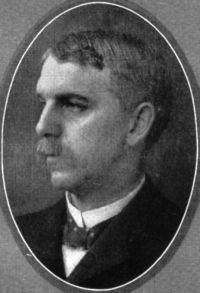
Portrait of Samuel Johnson Samuel Johnson,  Notes to Shakespeare, Volume III: The Tragedies

“ The commentator Warburton makes the character of Polonius, a character only of manners, discriminated by properties superficial, accidental, and acquired. The poet intended a nobler delineation of a mixed character of manners and of nature. Polonius is a man bred in courts, exercised in business, stored with observations, confident of his knowledge, proud of his eloquence, and declining into dotage. His mode of oratory is truly represented as designed to ridicule the practice of those times, of prefaces that made no introduction, and of method that embarrassed rather than explained. ”

Source: Gutenberg

Frank Boreham,  Faces in the Fire, and Other Fancies

“ The world had gone hardly with Polonius. The stars in their courses seemed to be fighting against him. He had tried hard to be brave, but circumstances sometimes conspire against courage. Polonius, in spite of the most commendable endeavours, was poor; yet if poverty had been his only misfortune he could have borne it with a smile. But, in addition to poverty, troubles came thick and fast upon him. Like Claudius, he was a member of the church at Corinth; and it was in connexion with his labours of love for the sanctuary that he had first met Phebe. ”
Source: Gutenberg

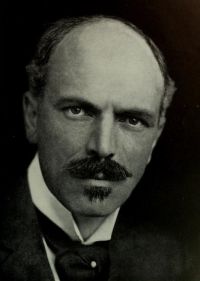
Portrait of William Shakespeare William Shakespeare,  The Tragedie of Hamlet, Prince of Denmark

“ As many of Polonius' aphorismic utterances as are given in the 1st Quarto have there inverted commas; but whether intended as gleanings from books or as fruits of experience, the light they throw on the character of him who speaks them is the same: they show it altogether selfish. He is a man of the world, wise in his generation, his principles the best of their bad sort. Of these his son is a fit recipient and retailer, passing on to his sister their father's grand doctrine of self-protection. But, wise in maxim, Polonius is foolish in practice—not from senility, but from vanity. ”
Source: Gutenberg

Get perspective with Kwize: daily news enlightened by great literature