Resistance, in psychoanalysis, refers to the unconscious processes individuals use to prevent repressed thoughts or impulses from becoming conscious, as proposed by Sigmund Freud. This concept includes phenomena such as repression, transference, and defense mechanisms, illustrating conflicts among the id, ego, and superego.
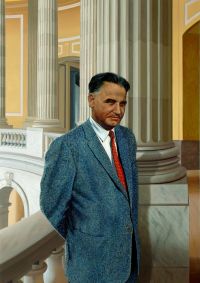
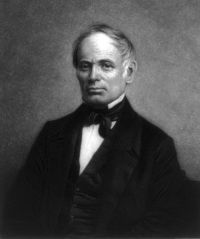
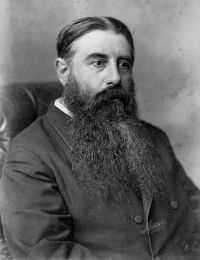
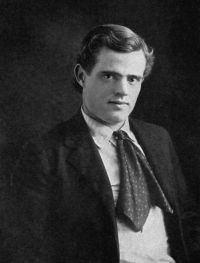
Writers like Dalip Singh Saund viewed resistance as a moral position, promoting nonviolent opposition through love and sacrifice, while Adin Ballou doubted its effectiveness in the face of nature’s inherent hostility. Samuel Johnson and Ralph Waldo Emerson underscored resistance’s role in challenging tyranny or existential forces, highlighting its dual character as both a psychological obstacle and a human reaction to oppression. The theme thus connects internal mental conflict with wider existential and ethical concerns.
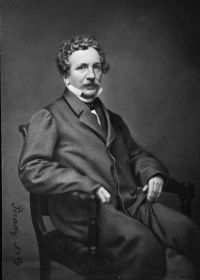 G. P. R. James,
Attila: A Romance. Vol. I
G. P. R. James,
Attila: A Romance. Vol. I