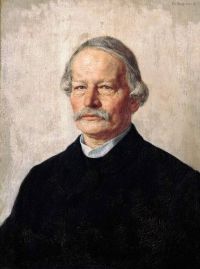
The concept of the peasant refers to a rural laborer, frequently associated with agricultural work and traditional social frameworks. Authors such as Gustav Freytag portrayed peasants as lively guardians of rural life, contrasting their rooted way of living with the aristocracy’s “modern fashions.” George Sand, on the other hand, pointed out the Berri peasant’s “dull ear,” emphasizing cultural and social divides.
Others, such as the anonymous writer for Harper’s New Monthly Magazine, contrasted the peasant’s labor with the luxury of rulers, emphasizing structural inequalities. These diverse depictions—spanning from appreciation to criticism—highlight the peasant’s multifaceted role as both an emblem of endurance and an individual caught within systems of class and labor.