Summary

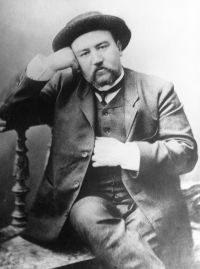
Portrait of A. I. Kuprin A. I. Kuprin A Slav Soul, and Other Stories

Grandfather Martin Lodishkin loved his organ as it is only possible to love something living, near, something actually akin, if it may be so expressed. Having lived with his organ for many years of a trying vagabond life, he had at last come to see in it something inspired, come to feel as if it were almost a conscious being. It would happen sometimes at night, when they were lying on the floor of some dirty inn, that the barrel organ, placed beside the old man’s pillow, would suddenly give vent to a faint note, a sad melancholy quavering note, like an old man’s sigh.
Source: Gutenberg

Portrait of A. I. Kuprin A. I. Kuprin A Slav Soul, and Other Stories

No one in the theatre could look on with indifference, all were in the grip of a common feeling, all sat as if enchanted, never moving their eyes from the stage.
But more persistently, and more eagerly than anyone else, Kostromsky stood in the wings and watched her every movement. In his soul, his sick and proud soul, which had never known restraint or limit to its own desires and passions, there now blazed a terrible and intolerable hatred. He felt that this poor and modest girl-student had definitely snatched from his hands the evening’s success.
Source: Gutenberg

Portrait of A. I. Kuprin A. I. Kuprin A Slav Soul, and Other Stories

But there was no applause. The public were puzzled, quite unmoved, and all their attention was turned on Ophelia.
For some seconds he could think of nothing; it was only when he heard at his side a gentle girl’s voice asking, “Prince, are you well?”—a voice which trembled with the tears of sorrow for a love destroyed—that, in a momentary flash, he understood all.
It was a moment of awful enlightenment. Kostromsky recognised it clearly and mercilessly—the indifference of the public; his own irrevocable past; the certainty of the near approach of the end to his noisy but short-lived fame.
Source: Gutenberg

Get perspective with Kwize: daily news enlightened by great literature