The trunk, the central woody axis of trees, functions as both a structural base and an ecological cornerstone, consisting of heartwood, sapwood, and protective bark. Writers have long examined its dual nature as a symbol of endurance and a focus of scientific study. Julia Ellen Rogers admires its ancient persistence, portraying it as a "massive trunk" carrying the burden of countless years, while John Ruskin contrasts its stability with the lively branching above.
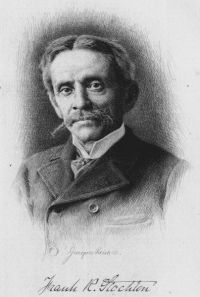
Frank R. Stockton underscores its vulnerability, pointing out how environmental pressures influence its shape, and Nehemiah Grew investigates its anatomical details, highlighting its role in preserving the tree’s health. These differing viewpoints—from scientific examination to poetic imagery—emphasize the trunk’s importance as both a biological wonder and a cultural symbol, linking the natural and the symbolic.
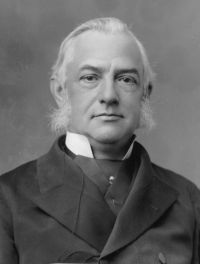 F. Max Müller,
Memories: A Story of German Love
F. Max Müller,
Memories: A Story of German Love