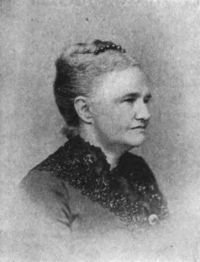
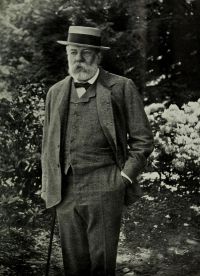
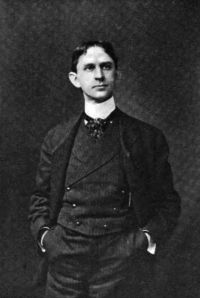
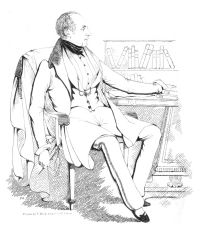
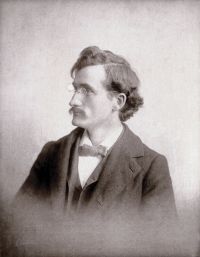
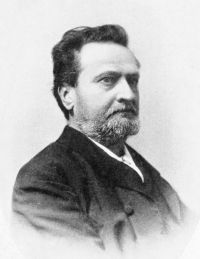
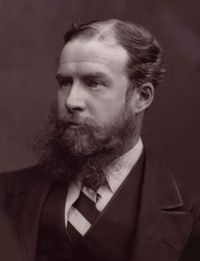
A leaf, the primary organ of photosynthesis in vascular plants, is a flattened, green appendage specialized for capturing sunlight and transforming it into energy. Authors have long examined its symbolic and functional roles: Nathaniel Egleston celebrated its quiet labor in building forests, while John Muir compared each leaf to a "romance" of nature’s design.
Henry David Thoreau viewed leaves as imprints of nature’s creative force, and Asa Gray observed their structural similarities to floral parts. These perspectives collectively highlight the leaf’s dual role as both a biological foundation and a metaphor for growth, resilience, and the interconnectedness of life.