“ In early summer the streams are in bright prime, running crystal clear, deep and full, but not overflowing their banks,—about as deep through the night as the day, the variation so marked in spring being now too slight to be noticed. Nearly all the weather is cloudless sunshine, and everything is at its brightest,—lake, river, garden, and forest, with all their warm, throbbing life. Most of the plants are in full leaf and flower; the blessed ousels have built their mossy huts, and are now singing their sweetest song on spray-sprinkled ledges beside the waterfalls. ”
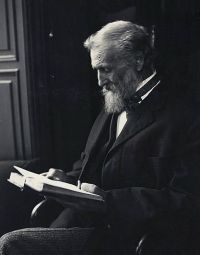
John Muir
Summary
Published in 1901, Our National Parks by John Muir is a passionate plea for the protection of America’s natural wonders, focusing on the Sierra, Sequoia, and Yosemite parks. Through vivid depictions of forests, glaciers, and mountain scenery, Muir extols the sublime beauty of these preserved areas, highlighting their ecological and spiritual importance.
His poetic writing encourages readers to recognize the delicate harmony of nature, from towering pines to snow-covered peaks, presenting conservation as both a scientific and ethical necessity. The work encapsulates Muir’s lifelong commitment to preserving these landscapes for future generations.
Quotes from Our National Parks (John Muir)
“ From these frosty Arctic sky gardens you may descend in one straight swoop to the abronia, mentzelia, and œnothera gardens of Mono, where the sunshine is warm enough for palms. But the greatest of all the gardens is the belt of forest trees, profusely covered in the spring with blue and purple, red and yellow blossoms, each tree with a gigantic panicle of flowers fifty to a hundred feet long. Yet strange to say they are seldom noticed. Few travel through the woods when they are in bloom, the flowers of some of the showiest species opening before the snow is off the ground. ”
“ Then the mountaineer, snug in a grove with bread and fire, has nothing to do but gaze and listen and enjoy. Ever and anon the deep, low roar of the storm is broken by the booming of avalanches, as the snow slips from the overladen heights and crushes down the long white slopes to fill the fountain hollows. All the smaller streams are crushed and buried, and the young groves of spruce and fir near the edge of the timber-line are gently bowed to the ground and put to sleep, not again to see the light of day or stir branch or leaf until the spring. ”
