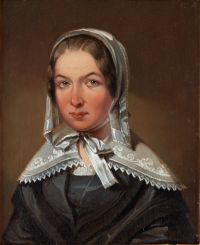
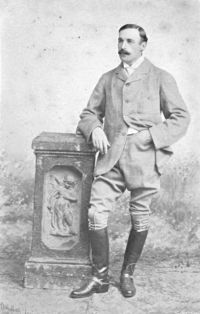
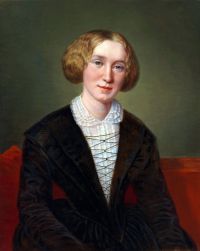
A grove, defined as a small cluster of trees with minimal undergrowth, has long been a symbol of natural simplicity and cultural resonance. Authors like George Washington Cable envisioned groves as peaceful, tree-dotted spaces, while John Legg associated them with the vitality of wildlife and open landscapes.
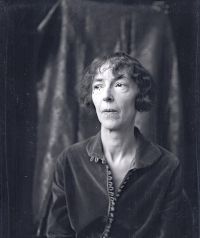
Mazo de la Roche portrayed groves as atmospheric sanctuaries, contrasting their stillness with the energy of surrounding woods. These varied depictions highlight the grove’s dual role as both a physical entity and a metaphor for calm, spirituality, or ecological balance, reflecting its lasting presence in literature and human imagination.
 George Washington Cable,
The Amateur Garden
George Washington Cable,
The Amateur Garden