A seedling, defined as a young sporophyte emerging from a germinated seed, represents the initial phase of plant development, marked by structures such as the radicle, hypocotyl, and cotyledons. Poets like Robert Frost capture its delicate yet resolute growth in verse, while botanists such as Asa Gray describe its structural evolution from embryo to self-sustaining organism.
Enos A. Mills underscores the seedling’s dependence on environmental factors, emphasizing its quest for light and survival. These differing viewpoints—ranging from poetic imagery to scientific analysis—highlight the seedling’s dual nature as both a biological wonder and a symbol of perseverance, connecting natural processes with human cultivation.
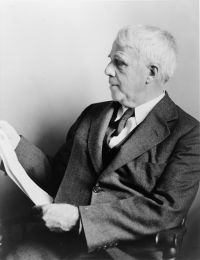 Robert Frost,
Mountain Interval — Putting in the Seed
(1920)
Robert Frost,
Mountain Interval — Putting in the Seed
(1920)