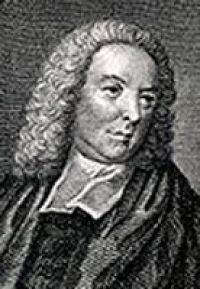
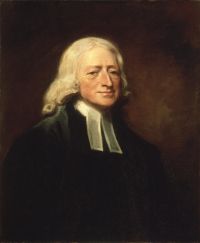
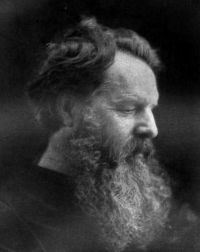
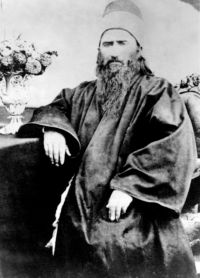
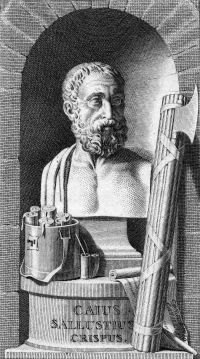
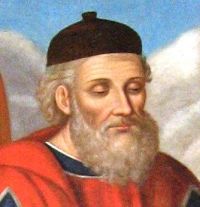
Grandeur, often connected to notions of sublimity, dignity, and moral elevation, conveys a deep sense of greatness or magnificence, whether in human virtue, natural wonders, or artistic creation. Authors such as Ralph Waldo Emerson linked it to duty and personal determination, arguing that grandeur lies in the courage to act in the face of adversity. John Ruskin associated it with authenticity and the steadfast coherence of character, while Lord Henry Home Kames described it as an emotional reaction to vastness, going beyond mere physical size.
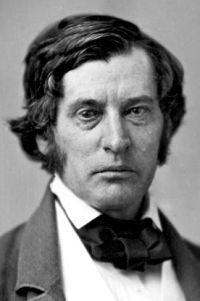
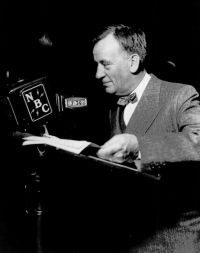
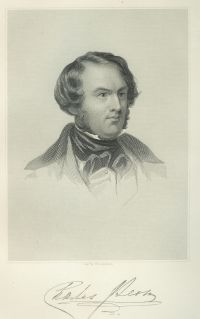
Emory Adams Allen highlighted its ethical aspect, pointing out that genuine grandeur resides in the control of strong impulses, and Charles Sumner honored humanity’s moral and intellectual achievements as its highest form of grandeur. These differing viewpoints illustrate grandeur as both an emotional experience and a reflection of ethical or intellectual excellence, underscoring its lasting influence in literature and philosophy.