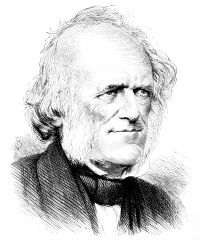
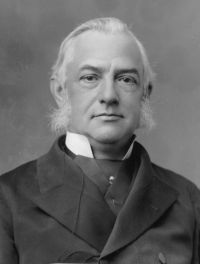
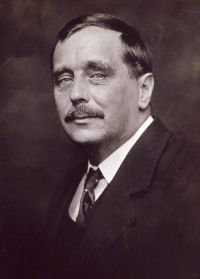
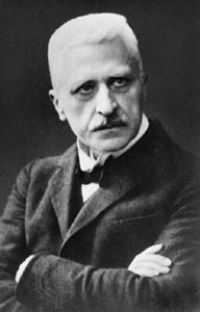
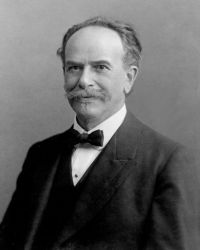
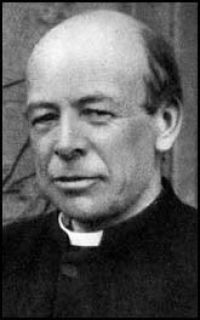
Progression refers to the forward movement or development of entities, ideas, or systems over time. This concept has been examined by a wide range of thinkers, from Herbert Spencer’s analysis of mental evolution across species and individual development to Henry George’s critique of stagnant societies. John Stuart Mill associated societal advancement with changes in intellectual beliefs, while James Frazer viewed knowledge as an unending journey toward an ever-receding objective.
Authors such as Charles Lyell and John Anderson highlighted development in natural and organic processes, emphasizing its role in shaping both human and material domains. These viewpoints collectively illustrate progression as a multifaceted framework for understanding change, whether as a linear rise or a dynamic interaction of forces.
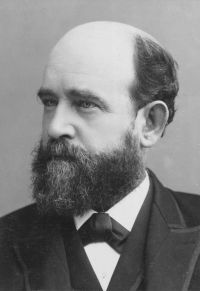 Henry George,
Progress and Poverty, Volumes I and II
Henry George,
Progress and Poverty, Volumes I and II