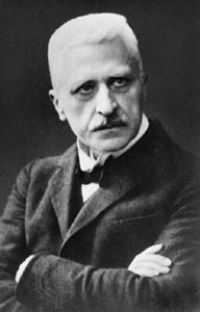
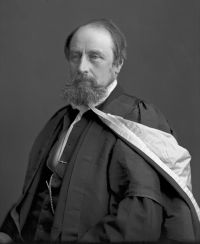
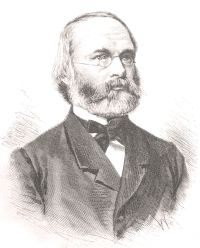
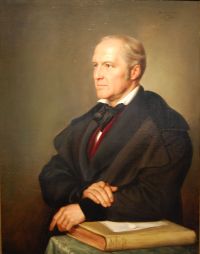
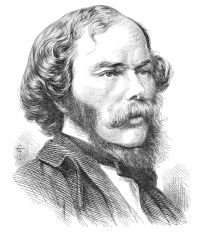
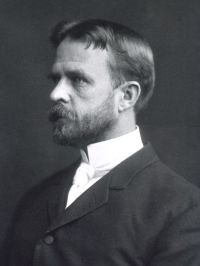
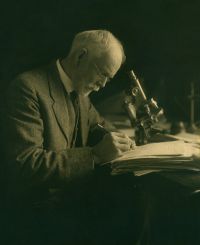
An organism is any living entity that operates as an individual, though its definition remains debated due to uncertainties surrounding autonomy, reproduction, and wholeness. From single-celled microbes to social insects and symbiotic lichens, the concept encompasses a wide range of biological forms, challenging strict classifications. Authors like Rudolf Otto highlighted organisms as wonders of structural and functional adaptation, while Herbert Spencer viewed them as systems of interconnected components. W. T.
Councilman compared the body to a cohesive unit, and Ernst Haeckel stressed the inextricable relationship between form and function. Meanwhile, David Queller and Joan Strassmann redefined organismality through collaborative processes, proposing that entities such as lichens or ant colonies might also qualify. These viewpoints together demonstrate that the core of an organism lies not in static characteristics, but in dynamic exchanges, context-sensitive unity, and the ongoing balance of collaboration and specialization.