Structure

Definition and stakes

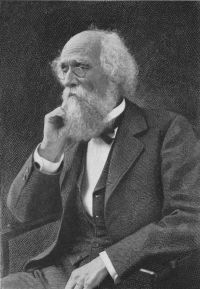
Portrait of Ethel Puffer Howes Ethel Puffer Howes,  The Psychology of Beauty

“ Structure is offered to the intellect—it clears and vivifies understanding; it is not felt, it is perceived. Anything which is made up of parts—beginning, middle, and end, climax and resolution—possesses structure. But form in the intimate sense is the intrinsic, inevitable relation of cause and effect; in this sense, it is seen to be truly content also. In literature, as to structure, it is the relation of parts: as to form, it is the succession of events, the movement, combination and resolution of separate ideas and emotions, which give us aesthetic pleasure or the reverse. ”
Source: Gutenberg

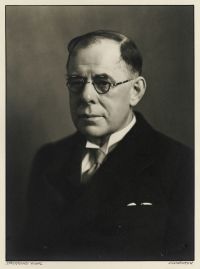
Portrait of Arlo Bates Arlo Bates,  Talks on Writing English. First Series

“ Always a writer must hold to three Principles of Structure and three Principles of Quality. The division is of course arbitrary, but it is logical and convenient. The three Principles of Structure,—the mechanical principles, so to say, those which direct most obviously the mechanics of language,—are Unity, Mass, and Coherence. The three Principles of Quality—those which govern the inner and more intellectual character of a composition—are Clearness, Force, and Elegance. ”
Source: Gutenberg

Get perspective with Kwize: daily news enlightened by great literature