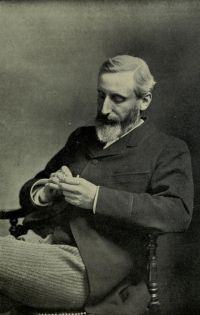
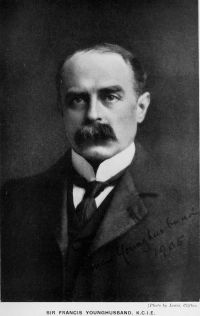
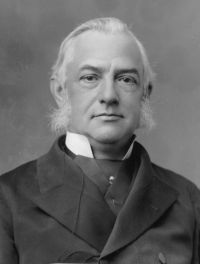
A naturalist is a scholar or enthusiast devoted to the study of plants, animals, and natural history, typically through direct observation in the field. This practice, grounded in ancient traditions and refined through scientific investigation, has been examined by a variety of authors who emphasized its empirical and reflective aspects. James Frederick Ferrier humorously observed the naturalist’s focus on studying rather than proving the existence of life, while editor W.L.
Distant highlighted their dependence on observation and fieldwork to decipher nature’s complexities. John Ruskin contrasted the naturalist’s immersive, wonder-filled approach with more analytical methods, underscoring their unique role in connecting empirical science with aesthetic appreciation. These differing viewpoints collectively affirm the naturalist as an essential intermediary between the physical world and human understanding, intertwining curiosity, precision, and reverence for nature’s intricate design.
 James Frederick Ferrier,
Scottish Philosophy: The Old and the New
(1856)
James Frederick Ferrier,
Scottish Philosophy: The Old and the New
(1856)