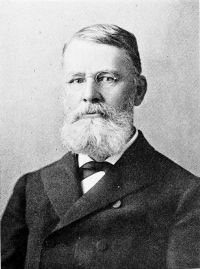
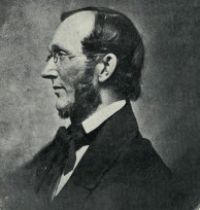
Omnipotence, the attribute of possessing boundless power, is a central idea in monotheistic traditions, where it is frequently ascribed to divine beings alongside omniscience, omnipresence, and omnibenevolence. Theological and philosophical discussions concerning its constraints and consequences have influenced its understanding, from Scholastic debates on divine will to critiques of paradoxes such as the "omnipotence of God" dilemma. Authors such as Geo. W.
Warder view it as a force for human advancement, while Kersey Graves contrasts divine power with human vulnerability, and Friedrich Schiller connects it to the universe’s fundamental order. These diverse viewpoints highlight omnipotence as both a theological foundation and a philosophical enigma, illustrating humanity’s effort to harmonize limitless power with logical and moral limits. The concept’s lasting appeal stems from its capacity to link the divine and the human, prompting thinkers to address its contradictions.