“ Thy love the heart of the sculptor stirs, And the idol is graven for worshipers. They bow them down to the image, and think That they worship Thee as before it they sink. To myself, O Lord, I have done this wrong, If mine eyes to an idol have turned so long. Thou hast washed the dark stain of my sin away; Now restore the lost blessing for which I pray. May I feel my heart free from the brand of its woes, And cull from the garden of Yussuf a rose.""Where is thy youth, and thy beauty, and pride?" "Gone, since I parted from thee!" she replied. "Where is the light of thine eye?" ”
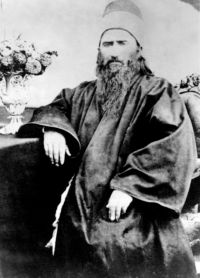
Jami
Biographical details
Jami, a 15th-century Persian poet and mystic, is renowned for merging Sufi spirituality with narrative depth in works such as Joseph and Zuleika and The Persian Mystics: Jámí. His poetry delves into themes of divine love, human vulnerability, and the fleeting nature of worldly aspirations, as seen in quotes reflecting on idolatry, spiritual submission, and the conflict between earthly desire and eternal devotion.
Through allegory and lyrical power, Jami’s writings unveil a deep conversation between the soul’s quest for transcendence and the impermanence of human existence, encapsulating his legacy as a link between mystical wisdom and universal feeling.
Quotes by Jami
“ If thou wilt rest, thine ordered journey sped, Forbear to linger at the bridge's head.In this orchestra full of vain deceit The drum of Being, each in turn, we beat. Each morning brings new truth to light and fame, And on the world falls luster from a name. If in one constant course the ages rolled, Full many a secret would remain untold. If the sun's splendor never died away, Ne'er would the market of the stars be gay. If in our gardens endless frost were king, No rose would blossom at the kiss of SpringHer face was the garden of Iram, where Roses of every hue are fair. ”
Jami, The Persian Mystics: Jámí
“ The sound of Yúsuf's steed is heard in the distance, and a great shout rends the air: "Make room! Make room!" Zulaikha again crouches in the roadway. How long has she "made room" for the selfish and unfeeling ambitions of a man who was once her pampered slave! It is then, for the first time, that the soul of Zulaikha asserts itself and the mysticism of the poem becomes strongly evident. The material spell of a fleshly love is broken at last. In humility and absolute resignation Zulaikha shatters her once dear idol, destroys a sordid and hopeless dream. ”