Enmity, defined as the quality of being an enemy, represents a complex interplay of opposition and conflict, often acting as a catalyst for personal growth or moral insight. Authors such as Ralph Waldo Emerson regarded enmity as a natural element of social dynamics, where emotions like hatred and admiration influence human interaction.
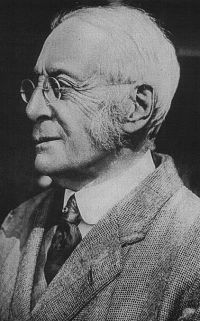
William Mackintire Salter argued that enmity, although dangerous, can cultivate resilience, while Sir Francis Edward Younghusband described its transcendence through spiritual awakening. Georg Brandes connected enmity to inner turmoil, suggesting it stimulates psychological tension, and Percy Bysshe Shelley saw it as a rebellious spirit opposing decay. These differing viewpoints highlight enmity’s dual nature—as both a source of division and a pathway to personal or moral development.
 William Mackintire Salter,
Nietzsche the thinker
(1917)
William Mackintire Salter,
Nietzsche the thinker
(1917)