Ego

Definition and stakes

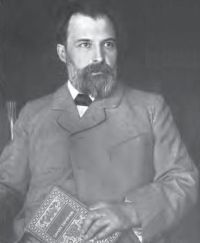
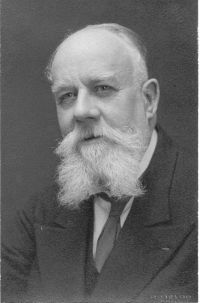
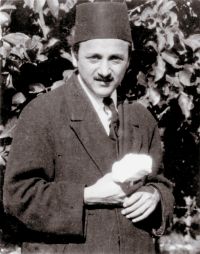
Portrait of Edward Carpenter Edward Carpenter The Drama of Love and Death: A Study of Human Evolution and Transfiguration

When we speak of the ego, do we mean the self of to-day, or of yesterday, or of some years back—or possibly some years in the future when we shall have found the expression now unhappily denied us? Do we mean the self of boyhood, or even of babyhood? or do we mean that of maturity, or of old age? Do we mean the self indicated by the mind alone, or by the spirit, apart from the body?
Source: Gutenberg

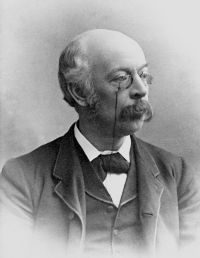
William James The Principles of Psychology, Volume 1…

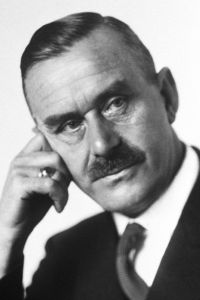
The prevalence of this obvious preference which we feel for everything of our own is indeed striking. Does it not look as if our dear Ego must first lend its color and flavor to anything in order to make it please us?... Is it not the simplest explanation for all these phenomena, so consistent among themselves, to suppose that the Ego, the self, which forms the origin and centre of our thinking life, is at the same time the original and central object of our life of feeling, and the ground both of whatever special ideas and of whatever special feelings ensue?
Source: Gutenberg

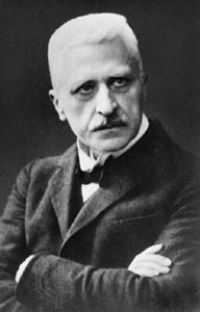
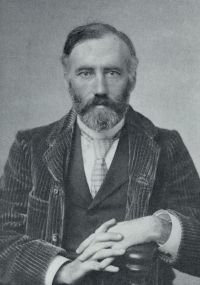
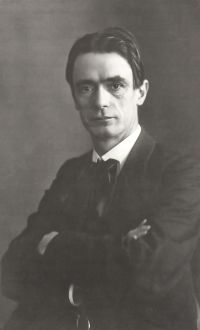
Portrait of Friedrich Nietzsche Friedrich Nietzsche Thus Spake Zarathustra (1917)

And this most upright existence, the ego—it speaketh of the body, and still implieth the body, even when it museth and raveth and fluttereth with broken wings.
Always more uprightly learneth it to speak, the ego; and the more it learneth, the more doth it find titles, and honours for the body and the earth.
A new pride taught me mine ego, and that teach I unto men: no longer to thrust one's head into the sand of celestial things, but to carry it freely, a terrestrial head, which giveth meaning to the earth!
Source: Wikisource

Get perspective with Kwize: daily news enlightened by great literature